
With regards to selecting the ideal engagement ring, many couples find themselves torn between two popular metals: platinum and gold. Each option has its unique qualities and advantages, especially when paired with lab grown diamond rings platinum vs gold. Understanding these differences is crucial for making an informed choice that mirrors your personal style and inclinations.
The Allure of Lab Grown Diamonds
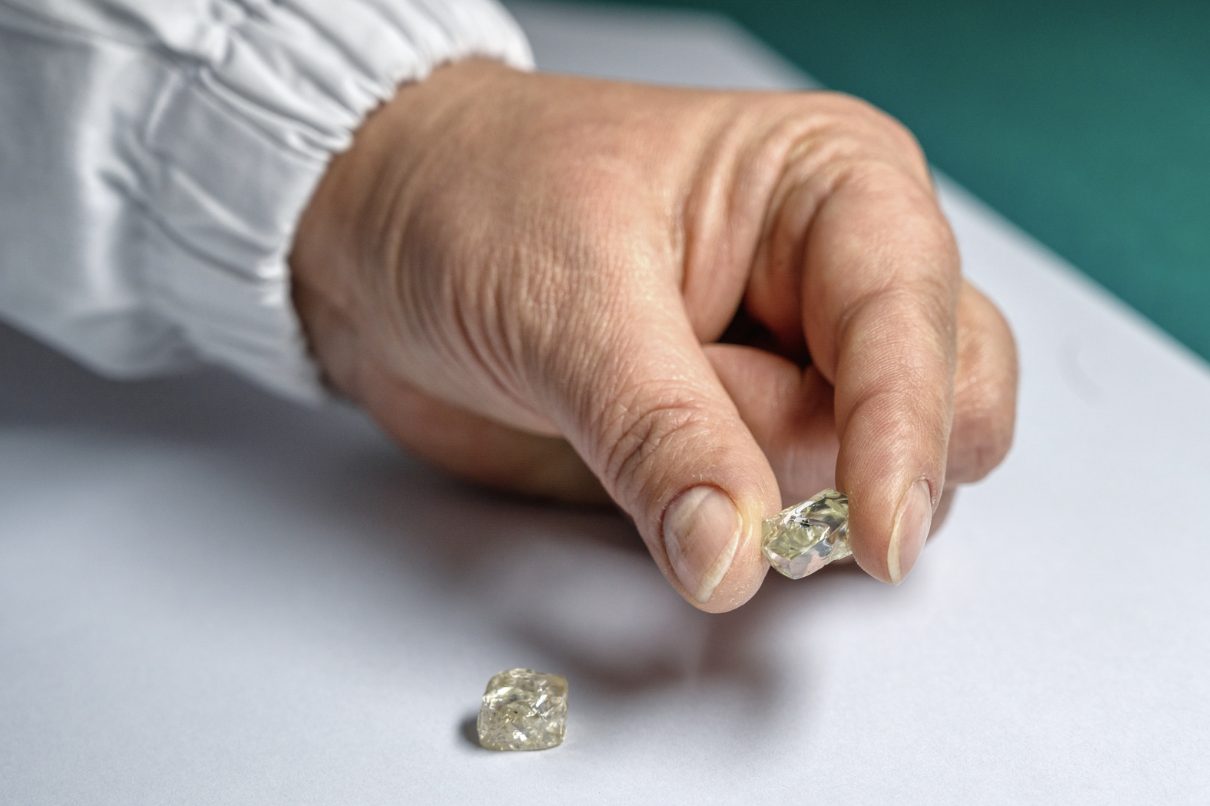
Lab grown diamond rings have flooded in popularity throughout recent years, offering an ethical and sustainable alternative to mined diamonds. These diamonds are created in controlled environments that replicate the natural conditions under which diamonds form in the earth. This cycle brings about stunningly beautiful stones that are chemically and physically identical to their mined counterparts. Whether you pick a platinum or gold setting, lab grown diamond rings allow you to partake in a beautiful and brilliant stone without the environmental and ethical worries associated with traditional diamond mining.
Platinum: The Durable Choice for Lab Grown Diamond Rings
Platinum is often considered the premium choice for lab grown diamond rings. Known for its solidarity and durability, platinum offers a brilliant setting that can withstand everyday hardship. One of the critical benefits of using platinum for your lab grown diamond ring is its resistance to wear and tarnish. This means that your ring will maintain its shine and beauty for years to come, making it an ideal choice for daily wear.
Additionally, platinum has a natural white sheen that supplements the brilliance of lab grown diamonds beautifully. The metal’s density allows it to hold stones safely, providing peace of mind for the individuals who wear their rings daily. Furthermore, platinum’s hypoallergenic properties make it suitable for individuals with sensitive skin, ensuring comfort without compromising on style.
Gold: A Classic and Versatile Choice
Gold, then again, offers a classic and timeless esthetic that many couples adore. Available in various colors, including yellow, white, and rose, gold lab grown diamond rings can be tailored to suit personal tastes. Yellow gold has a warm and romantic appeal, while white gold offers a smooth and current look. Rose gold, with its pinkish shade, adds a bit of vintage charm to lab made diamonds.
Gold is also a more affordable option compared to platinum, allowing couples to allocate their budget towards a larger or higher quality lab grown diamond. The malleability of gold means that intricate designs can be crafted, giving you the opportunity to customize your ring in a way that mirrors your personality.
Comparing Cost: Platinum vs. Gold
While considering lab grown diamond rings, cost is a significant factor for many couples. Platinum is generally more expensive than gold because of its rarity and density. While the initial investment for a platinum setting might be higher, it’s essential to consider the drawn out value. The durability of platinum means you may not have to replace or repair your ring as often as you might with a gold setting, potentially saving you cash over the long haul.
Then again, gold provides a more budget-friendly option without sacrificing style or quality. If you’re looking to maximize the size or quality of your lab grown diamond, a gold setting may allow you to do as such while still staying within budget. Ultimately, the decision between platinum and gold will rely upon your financial priorities and personal inclinations.
Maintenance and Care for Lab Grown Diamond Rings
Regardless of whether you pick platinum or gold for your lab grown diamond ring, legitimate care and maintenance are essential to keep your ring looking its ideal. Platinum requires less maintenance than gold; in any case, it can foster a patina over the long haul, which certain individuals find appealing while others like to keep the original shine. Regular cleaning and occasional polishing can restore platinum’s radiance.
Gold, especially when alloyed with other metals, may require more successive cleaning to forestall tarnishing. Yellow and rose gold can show scratches and wear over the long run, which may necessitate refinishing. The two metals can benefit from professional cleaning and inspections to guarantee that the lab grown diamond remains safely set and the metal stays in great shape.
Choosing the Right Setting for Your Lab Grown Diamond
The setting of your lab grown diamond is similarly as important as the metal you pick. Both platinum and gold offer various setting styles, including solitaire, halo, and three-stone designs. The choice of setting can dramatically affect the overall look of your ring and how the lab grown diamond is showcased.
Consider your lifestyle while choosing a setting. If you lead an active life, a lower-profile setting might be more suitable, as it minimizes the risk of snagging. Alternatively, if you favor a more elaborate design, guarantee that the picked metal can withstand the added complexity of the setting.
Conclusion: Making the Right Choice
Ultimately, the choice between platinum and gold for lab grown diamond rings boils down to personal inclination and lifestyle. The two metals have their unique advantages, making them suitable for different tastes and budgets. Whether you’re drawn to the luxurious durability of platinum or the classic charm of gold, lab grown diamond rings in either metal can create a stunning image of your affection and commitment.
While selecting your lab grown diamond ring, take the time to consider all aspects of your decision. Visit local gem specialists to see the metals face to face, explore different settings, and ask questions. This excursion of finding the ideal ring should be as beautiful as the affection it addresses.


